
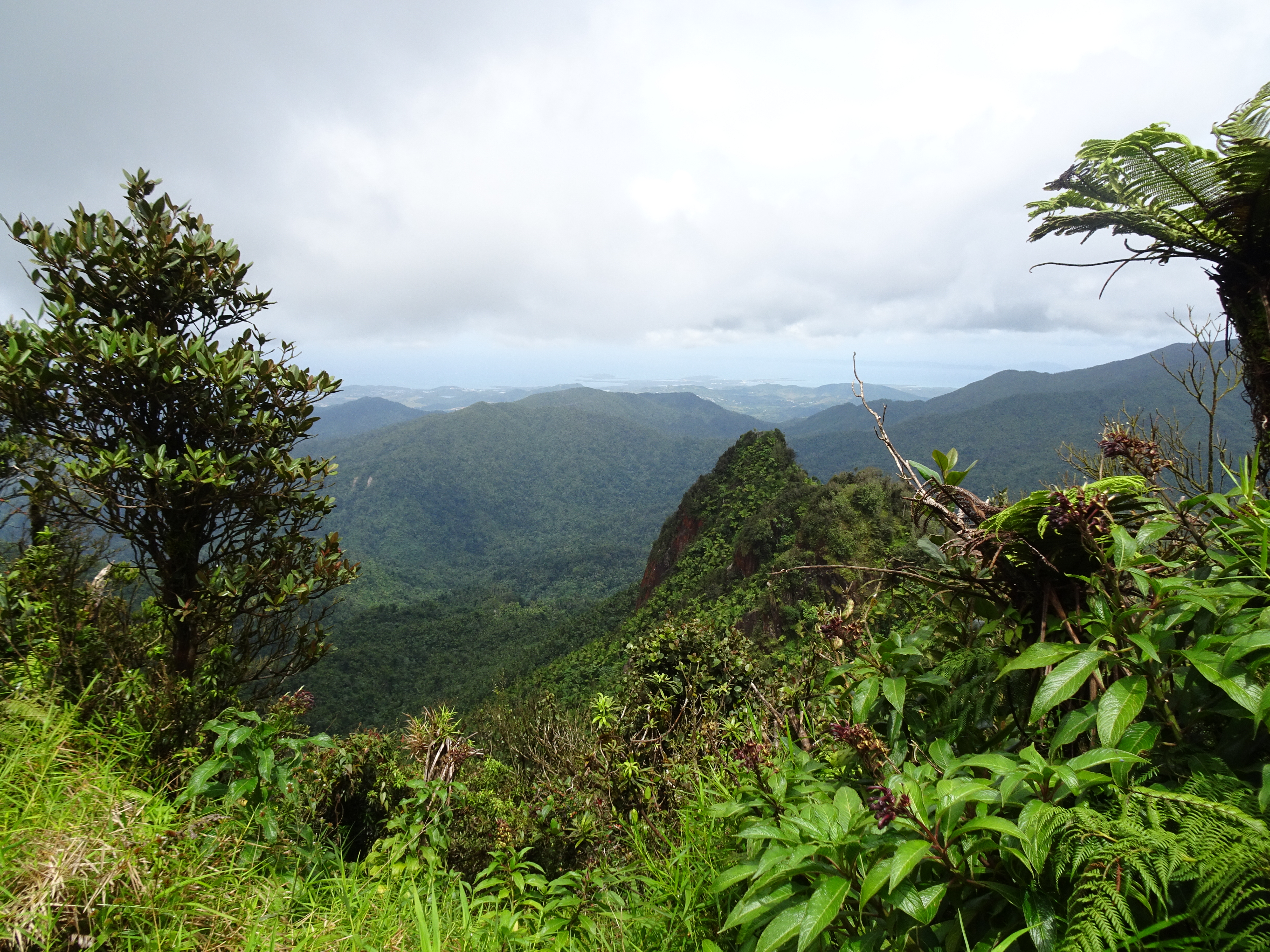

The Nature Folder has evolved
Enter Nature’s Cabinet of Curiosities
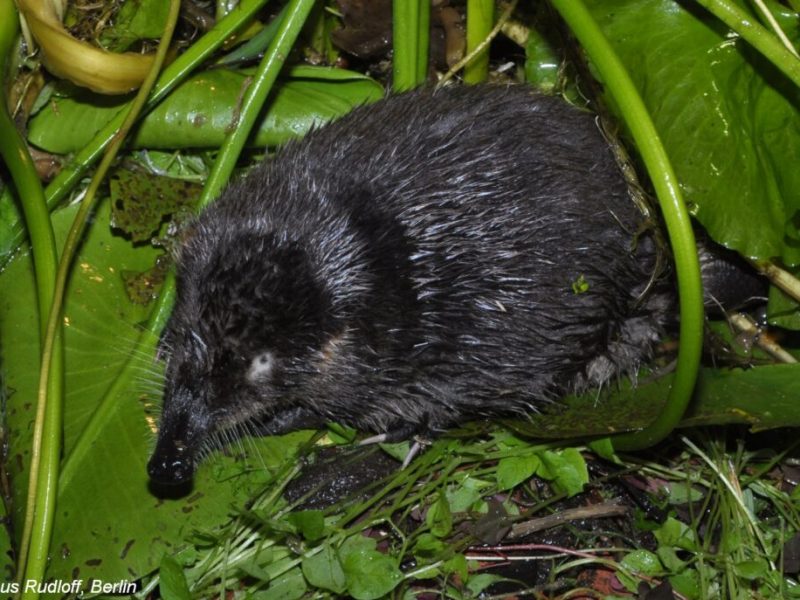
The Russian Desman: A Relic from the Ice Age
Part of the Hidden Wonders collection The Russian Desman is a critically endangered insectivore, related to moles but suited to aquatic life. Population In the 19th and early 20th century, they were hunted for their coats. Two estimates put this hunting rate at 5000 – 20,000 skins per year, and 50,000 – 100,000 per year.…
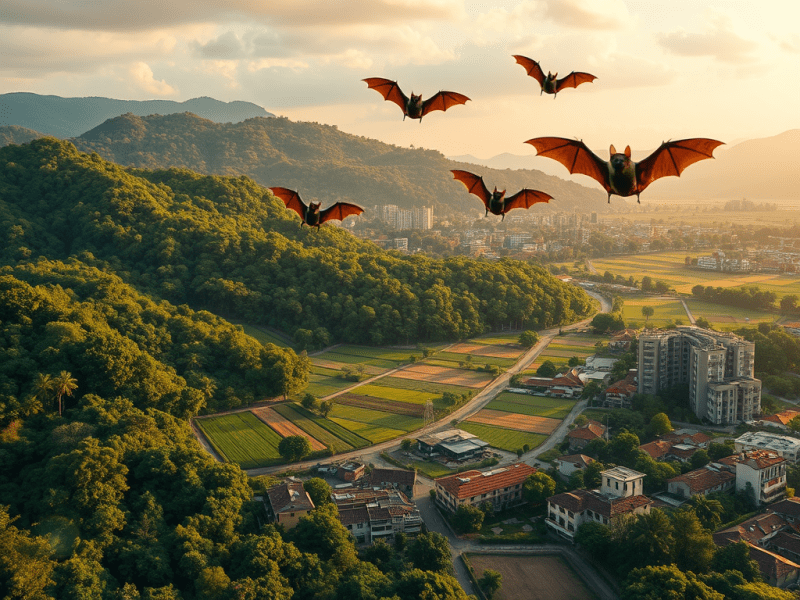
One Health: Linking Habitat Loss and Disease Outbreaks
Ralph Waldo Emerson, the American essayist, once wrote that “life is a perpetual instruction in cause and effect”. I think this sums up the One Health approach, in that changes in the environment affect animal behaviour. This, in turn, affects disease spread. Through considering animal, human and environmental health as one system, we can more…
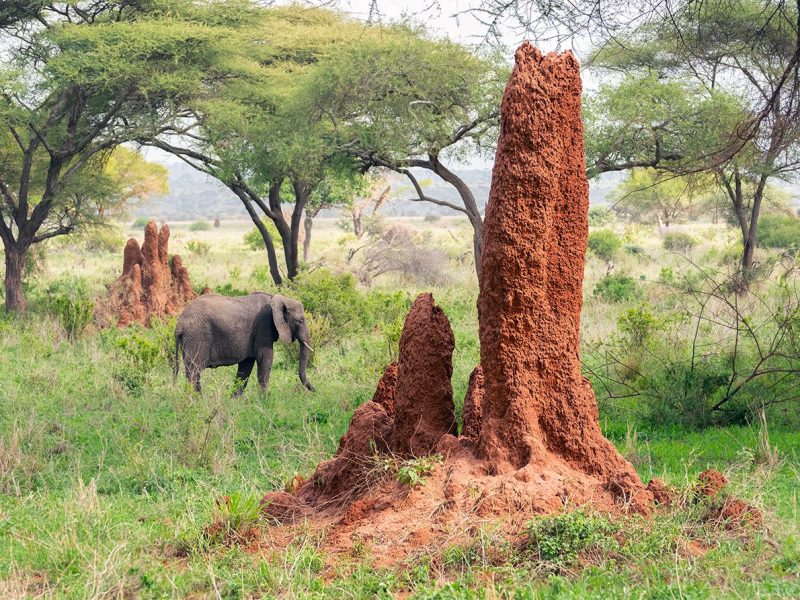
Termite Mounds: Nature’s Ingenious Climate-Controlled Skyscrapers
Part of the Nature’s Architects collection Termite mounds are renowned for their height, but it’s their internal structure that makes them an impressive build. They are remarkable examples of natural engineering, designed to create a stable internal environment that supports the colony’s survival. The termite mound’s architecture is built to facilitate airflow, temperature regulation, humidity…

Get blog posts delivered directly to your inbox.
About
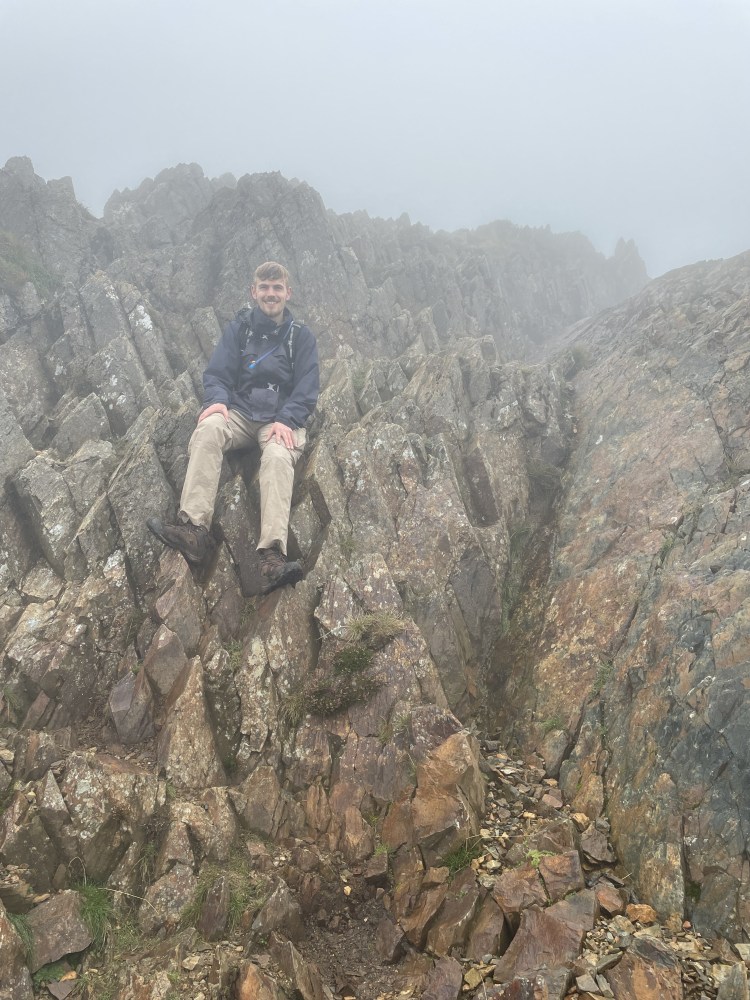
Hi, my name’s Matt and welcome to the Nature Folder. I started this blog in 2021 as a way to re-connect with science, having realised that I really missed it. The format was very research based, however it took a lot of time to come up with the research questions and then write them. It wasn’t a sustainable way of blogging and the Nature Folder went inactive for three years.
The Nature Folder returned in 2024 with a new look. Instead of posts about research papers, it will cover a greater range of topics and aim to engage with a wider audience.
Contact me at contact@naturefolder.com
 The Nature Folder