Part of the Hidden Wonders: The Secret Lives of Earth’s Rarest Animals collection
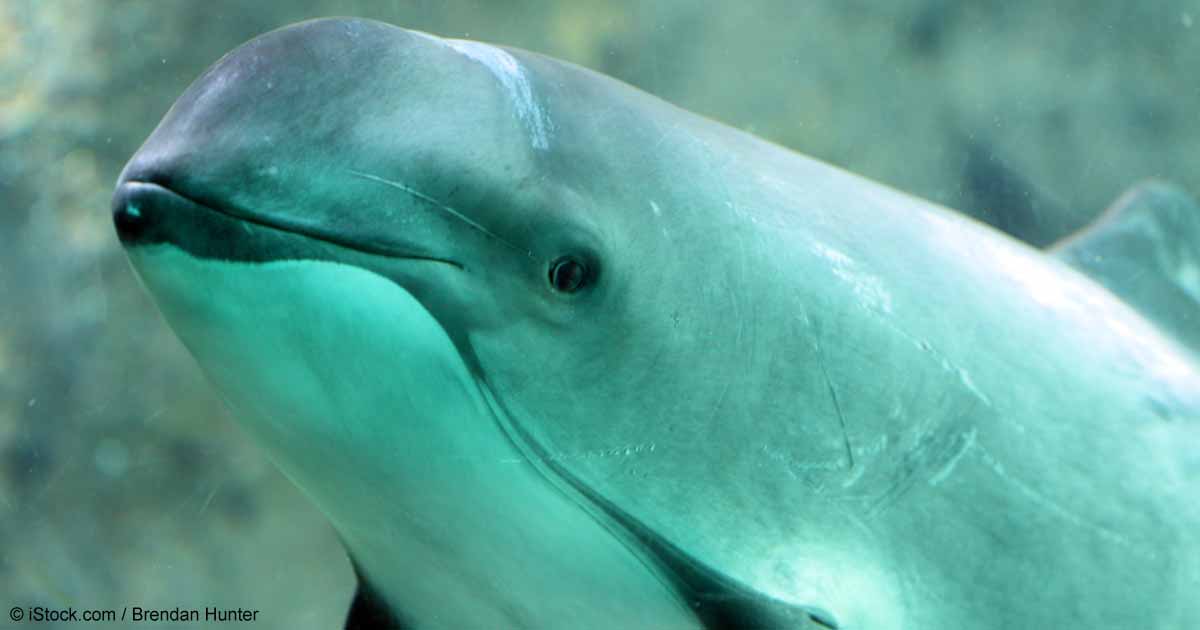
Sadly, the Vaquita is the most critically endangered marine mammal in the world. According to the IUCN Red List, there are just 10 individuals between them and history. Last week’s article was on the saiga antelope and was an example of effective conservation, this time it’s almost the complete opposite.
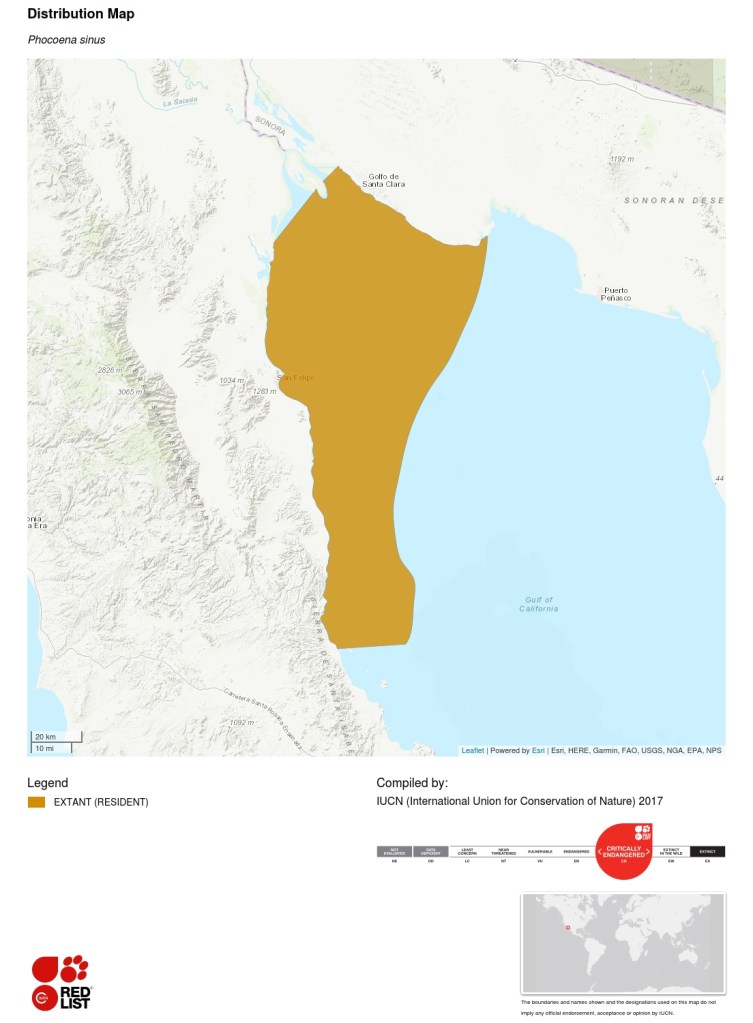
They live in a 2235 km2 area around Rocas Consag, 40 km east of San Felipe, Baja California. There’s no evidence that the geographical range of the vaquita has changed since prehistoric times, but monitoring has revealed that their area of occupancy is closer to 300km2.
Threats and conservation efforts
The greatest risk that vaquita’s face is from illegal fishing in Mexico where they’re caught in gillnets as bycatch. The background is that illegal fisherman are often after a fish called the totoaba, where their swim bladders are used for traditional medicine – fetching between $60,000 – $85,000 per kg on the black market. This supply chain is controlled by Mexican cartels and Chinese mafia. The vaquita is a similar size to the totoaba which leads to them getting caught in the same nets.
This turns the environmental conservations efforts into more of a social and security problem. Lack of a livelihood pushes fishermen towards the highly profitable illegal fishing and large-scale trawling. The involvement of organised crime causes issues with enforcement and regulation, and few (if any) illegal fisherman have been prosecuted. Instead they pay a small fine, which is a fraction of the worth of a totoaba, and are released.
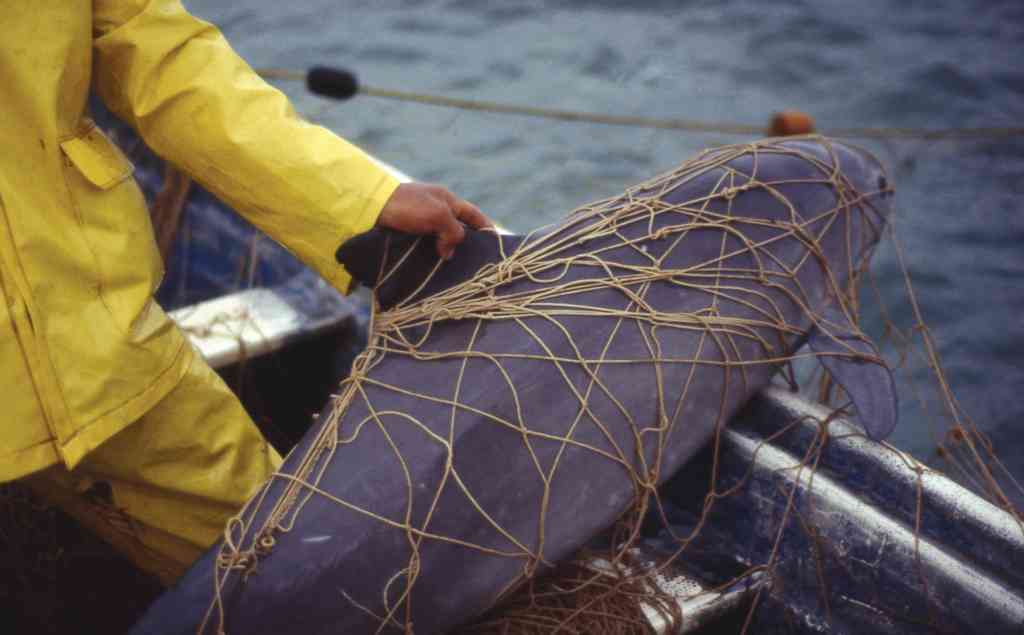
There have been some efforts to conserve the vaquita and the Mexican government have a number of bans that relate to the vaquita’s water. However, they have often refused pro-environmental aid claiming its’ purpose is to undermine Mexico’s fishing sector. There is also a complicated web of involved authorities that cannot act without the other. One agency can arrest, while another has the weapons and a different one has the boats to facilitate enforcement. This essentially means that effective enforcement is needlessly complex, if not impossible.
Due to the vaquita’s low reproduction rate of one calf per two years, conservation should be fast and hard hitting. Unlike last week’s saiga antelope, the vaquita doesn’t have the time for slow and ineffective conservation efforts.
How you can help

Organisations such as Sea Shepard Conservation Society work within the Gulf of California to preserve the remaining vaquita population. You can help through donations and their shop, raising awareness and fundraising. You can also volunteer either as boat crew or on-shore.
References
ROJAS‐BRACHO, L. O. R. E. N. Z. O., Reeves, R. R., & JARAMILLO‐LEGORRETA, A. R. M. A. N. D. O. (2006). Conservation of the vaquita Phocoena sinus. Mammal Review, 36(3), 179-216.
Morin, P. A., Archer, F. I., Avila, C. D., Balacco, J. R., Bukhman, Y. V., Chow, W., … & Jarvis, E. D. (2021). Reference genome and demographic history of the most endangered marine mammal, the vaquita. Molecular Ecology Resources, 21(4), 1008-1020.
O’Connor, J., Roa, O. H., & Eberle, C. (2022). Vanishing vaquita (p. 22). Technical Report. United Nations University.
Rojas-Bracho, L., Taylor, B.L. & Jaramillo-Legorreta, A. 2022. Phocoena sinus. The IUCN Red
List of Threatened Species 2022: e.T17028A214541137. https://dx.doi.org/10.2305/IUCN.UK.2022-
1.RLTS.T17028A214541137.en
 The Nature Folder