
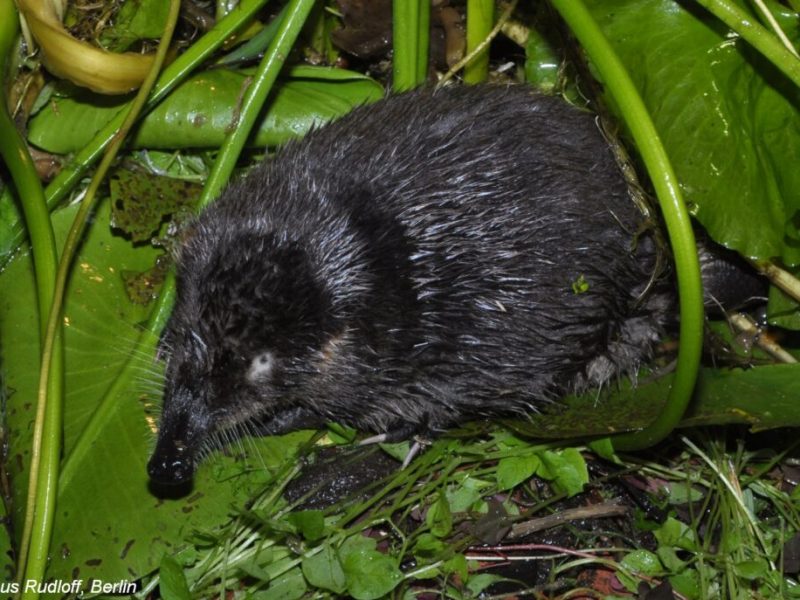
The Russian Desman: A Relic from the Ice Age
Part of the Hidden Wonders collection The Russian Desman is a critically endangered insectivore, related to moles but suited to aquatic life. Population In the 19th and early 20th century, they were hunted for their coats. Two estimates put this hunting rate at 5000 – 20,000 skins per year, and 50,000 – 100,000 per year.…
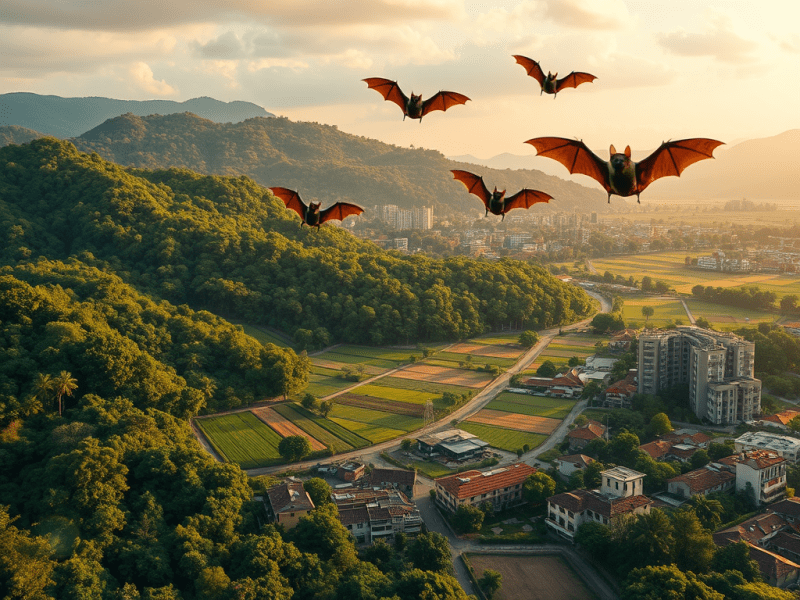
One Health: Linking Habitat Loss and Disease Outbreaks
Ralph Waldo Emerson, the American essayist, once wrote that “life is a perpetual instruction in cause and effect”. I think this sums up the One Health approach, in that changes in the environment affect animal behaviour. This, in turn, affects disease spread. Through considering animal, human and environmental health as one system, we can more…
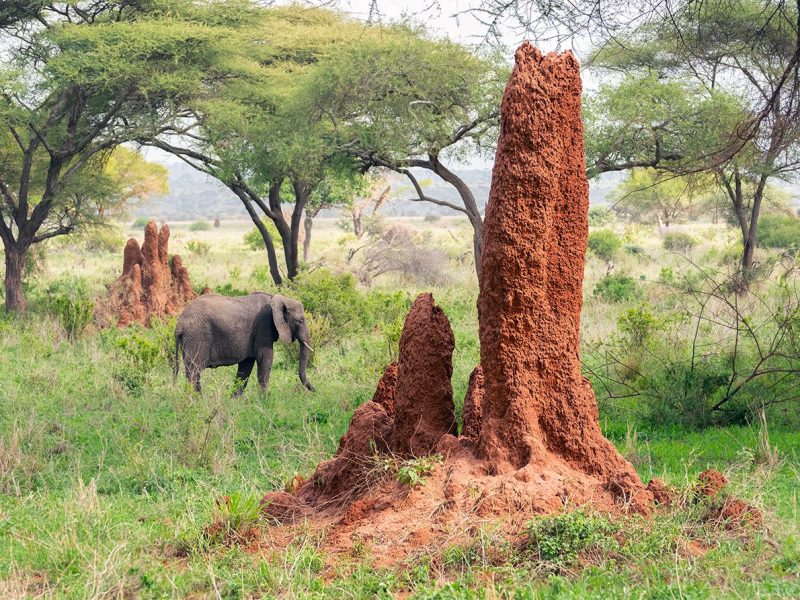
Termite Mounds: Nature’s Ingenious Climate-Controlled Skyscrapers
Part of the Nature’s Architects collection Termite mounds are renowned for their height, but it’s their internal structure that makes them an impressive build. They are remarkable examples of natural engineering, designed to create a stable internal environment that supports the colony’s survival. The termite mound’s architecture is built to facilitate airflow, temperature regulation, humidity…

The Vaquita: The Ocean’s Rarest Marine Mammal
Part of the Hidden Wonders: The Secret Lives of Earth’s Rarest Animals collection Sadly, the Vaquita is the most critically endangered marine mammal in the world. According to the IUCN Red List, there are just 10 individuals between them and history. Last week’s article was on the saiga antelope and was an example of effective…
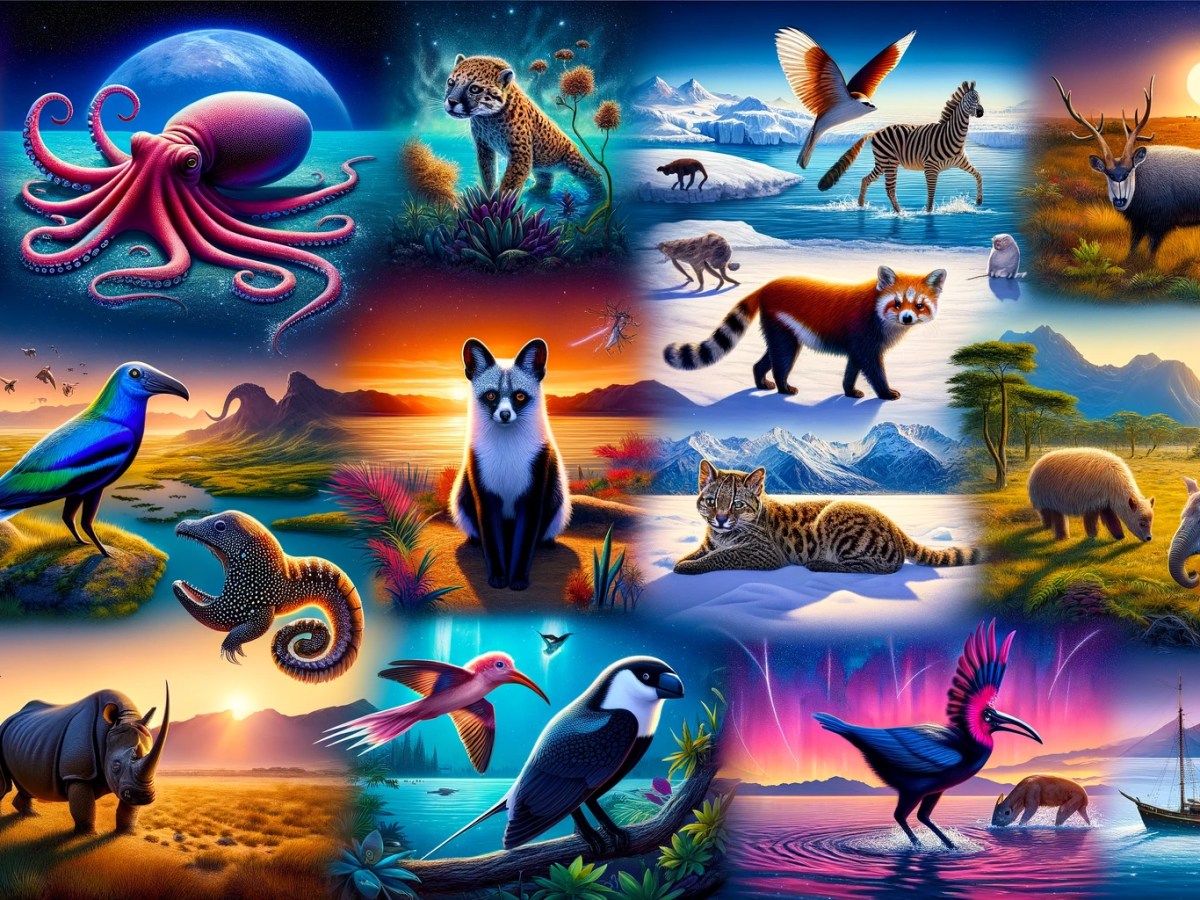
Nature’s Cabinet of Curiosities
The Nature Folder is back and this time, we’re going big. When I started this blog in 2021, it was focused on research, but they would follow the same patterns, it became stale and I lost interest. That’s why I’ve started Nature’s Cabinet of Curiosities. I want this to be a virtual natural history museum…
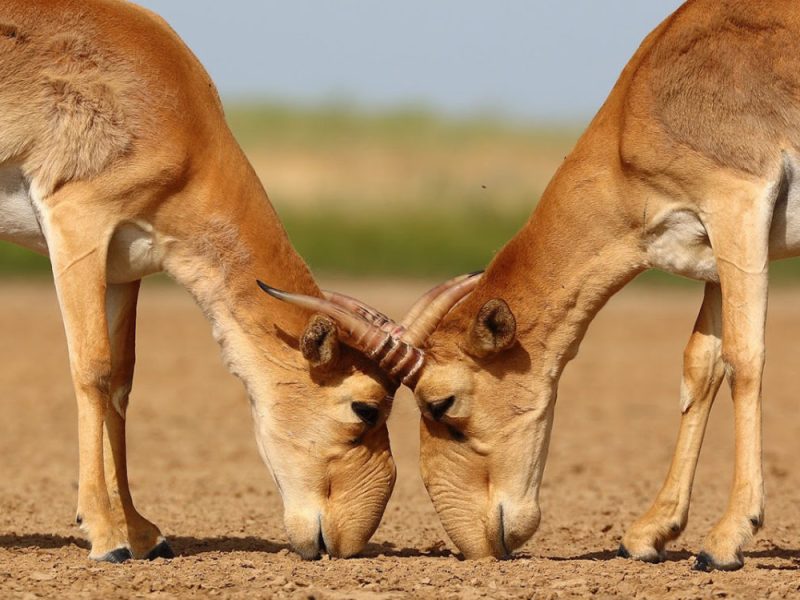
The Last Frontier: Exploring the World of the Saiga Antelope
Part of the Hidden Wonders: The Secret Lives of Earth’s Rarest Animals collection From the days of the woolly mammoth and sabre-toothed tigers, the saiga antelope has roamed the steppes since the last Ice Age. It almost joined the legendary duo in extinction (multiple times), but has recovered from Critically Endangered to Near Threatened. Fun…
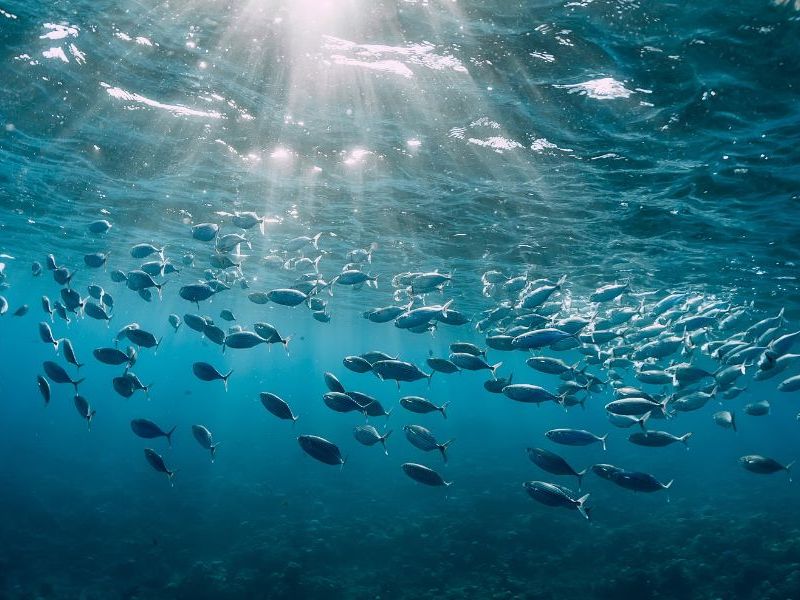
Layers of Problems – Climate Change and the Oceans
A lot of the focus regarding climate change is on the atmosphere or the land, but we can’t forget that 71% of Earth’s surface is covered by water. The possible changes related to the oceans are complex but far-reaching and could have geopolitical changes in addition to affecting the environment. Climate change won’t just cause…
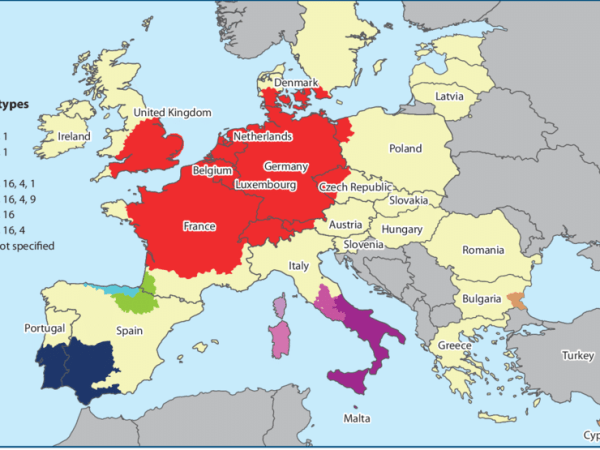
Bluetongue virus – A Transcontinental Disease
If you’ve read my previous posts, you might have noticed that I’ve previously mentioned bluetongue virus, and this post is solely dedicated to that particular arbovirus. Bluetongue is an excellent example of a disease that will likely benefit from climate change, increasing in both frequency and range. Part of the reason why the BTV-8 outbreak…

Preventing The Next Pandemic
At the time of writing this, the total number of COVID-19 cases in the world stands are 201 million, with 4.27 million deaths. According to The Economist, the cost of the pandemic could amount to $10 trillion in forgone GDP over 2020-21. For reference, that’s enough money to buy 66 International Space Stations (at $150…
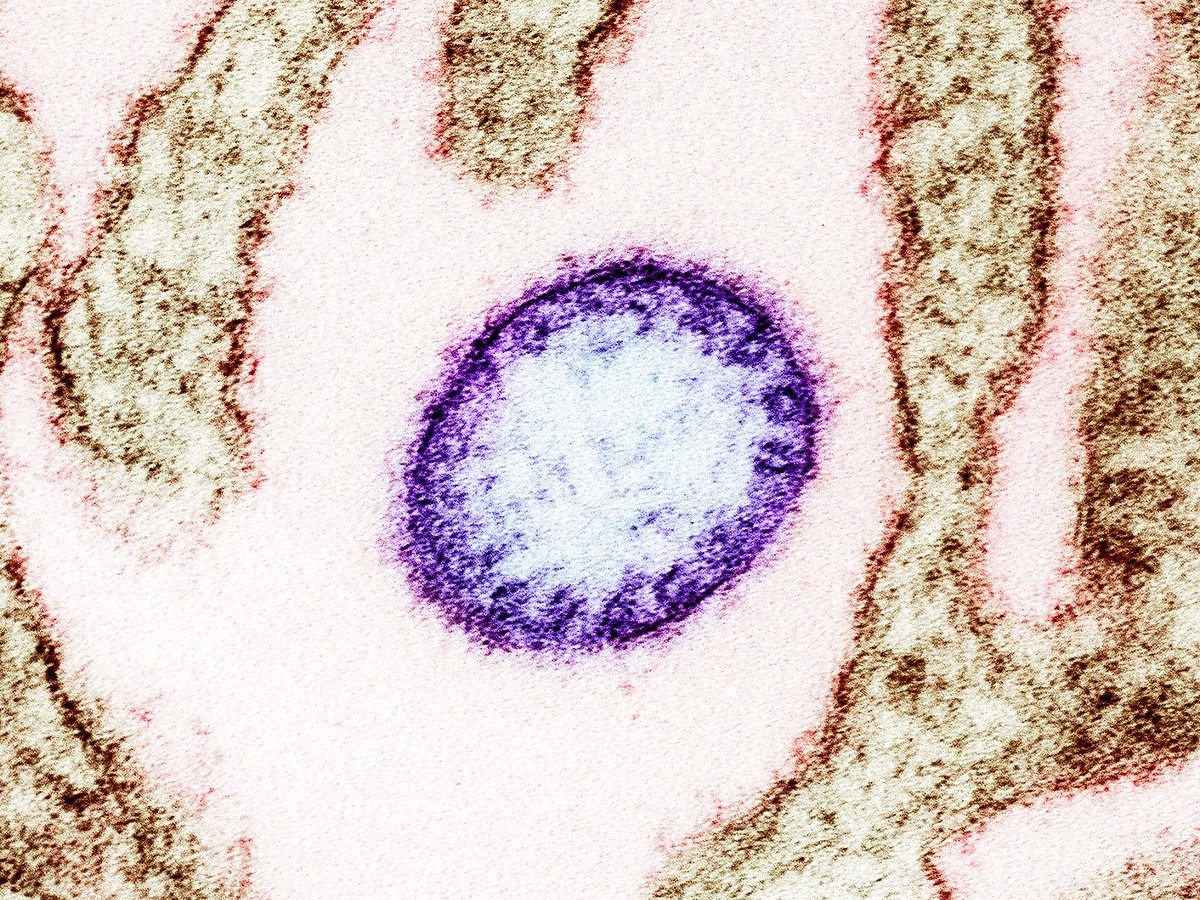
The Next Big One
As the world recovers from the COVID-19 pandemic, we cannot forget what happened. Our focus needs to fall on what the next pandemic could be and how and where it could occur. The World Health Organisation lists ten priority diseases that have epidemic potential, including: COVID-19 Crimean-Congo Haemorrhagic fever Ebola virus and Marburg virus Lassa…
Something went wrong. Please refresh the page and/or try again.
Follow The Nature Folder
Get new content delivered directly to your inbox.
 The Nature Folder