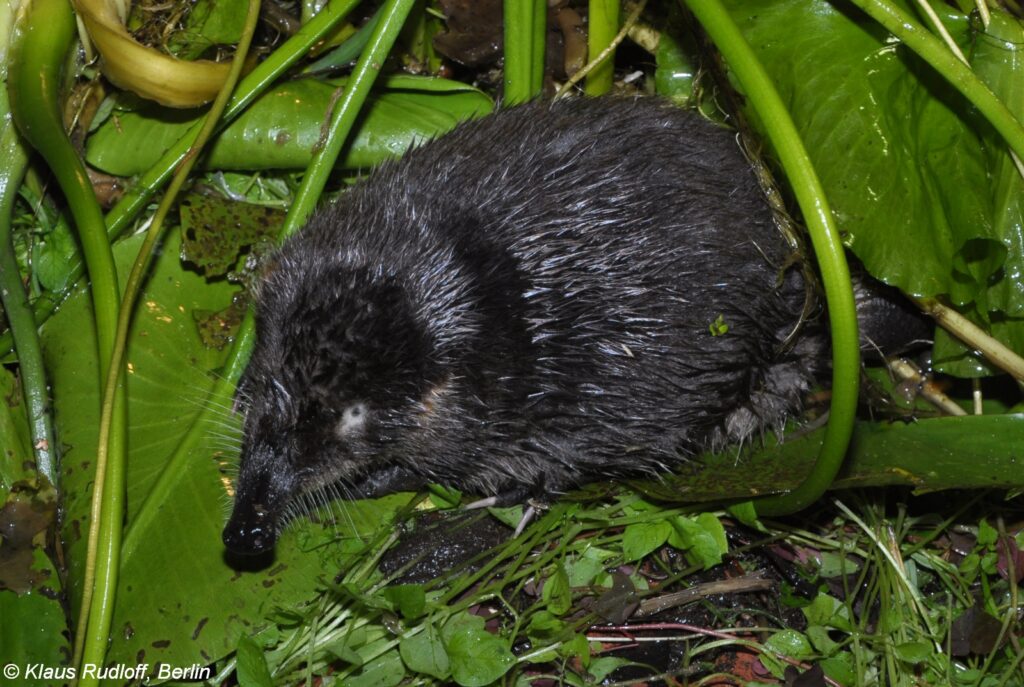
Part of the Hidden Wonders collection The Russian Desman is a critically endangered insectivore, related to moles but suited to aquatic life. Population In the 19th and early 20th century, they were hunted for their coats. Two estimates put this hunting rate at 5000 – 20,000 skins per year, and 50,000 – 100,000 per year.Continue reading “The Russian Desman: A Relic from the Ice Age”
Tag Archives: Conservation
One Health: Linking Habitat Loss and Disease Outbreaks

Ralph Waldo Emerson, the American essayist, once wrote that “life is a perpetual instruction in cause and effect”. I think this sums up the One Health approach, in that changes in the environment affect animal behaviour. This, in turn, affects disease spread. Through considering animal, human and environmental health as one system, we can moreContinue reading “One Health: Linking Habitat Loss and Disease Outbreaks”
The Vaquita: The Ocean’s Rarest Marine Mammal
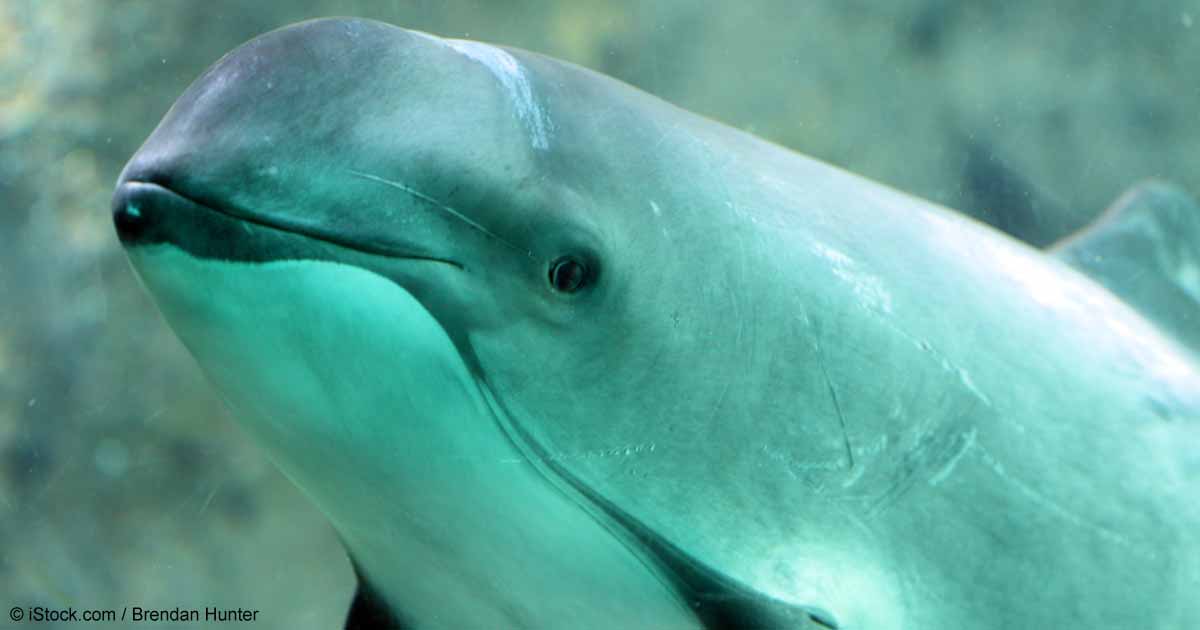
Part of the Hidden Wonders: The Secret Lives of Earth’s Rarest Animals collection Sadly, the Vaquita is the most critically endangered marine mammal in the world. According to the IUCN Red List, there are just 10 individuals between them and history. Last week’s article was on the saiga antelope and was an example of effectiveContinue reading “The Vaquita: The Ocean’s Rarest Marine Mammal”
The Last Frontier: Exploring the World of the Saiga Antelope
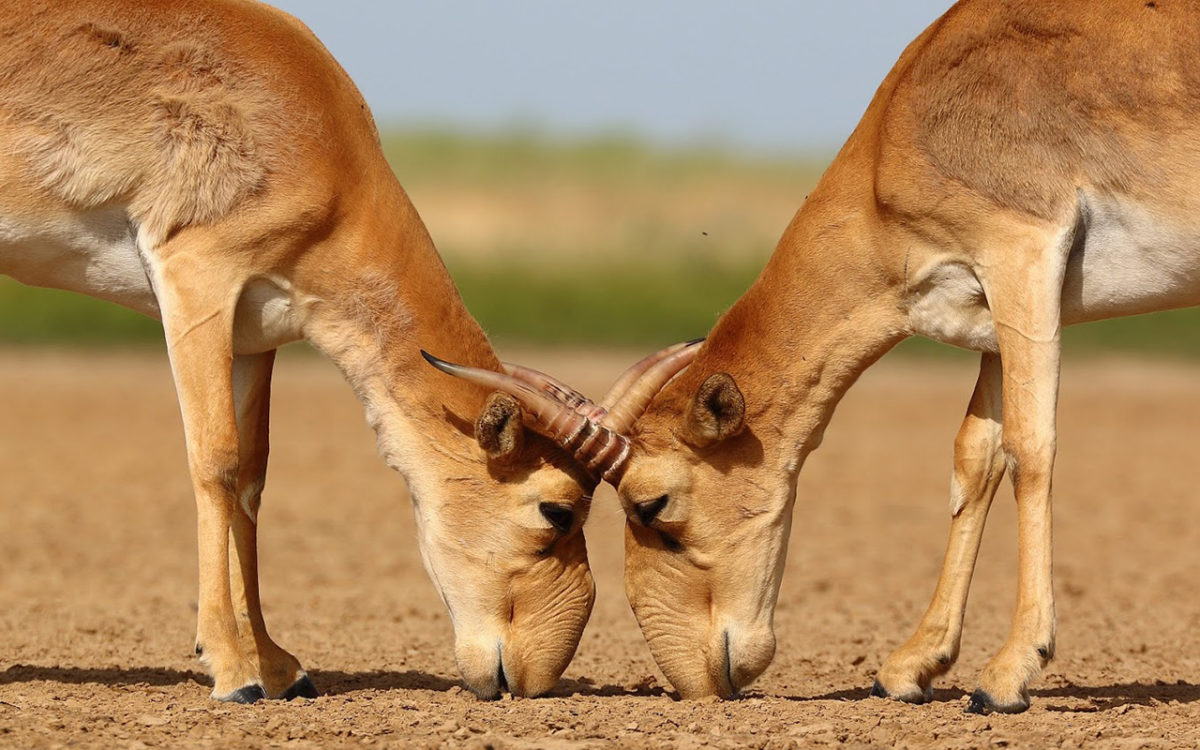
Part of the Hidden Wonders: The Secret Lives of Earth’s Rarest Animals collection From the days of the woolly mammoth and sabre-toothed tigers, the saiga antelope has roamed the steppes since the last Ice Age. It almost joined the legendary duo in extinction (multiple times), but has recovered from Critically Endangered to Near Threatened. FunContinue reading “The Last Frontier: Exploring the World of the Saiga Antelope”
Spotlight: Environmental variability supports chimpanzee behavioural diversity
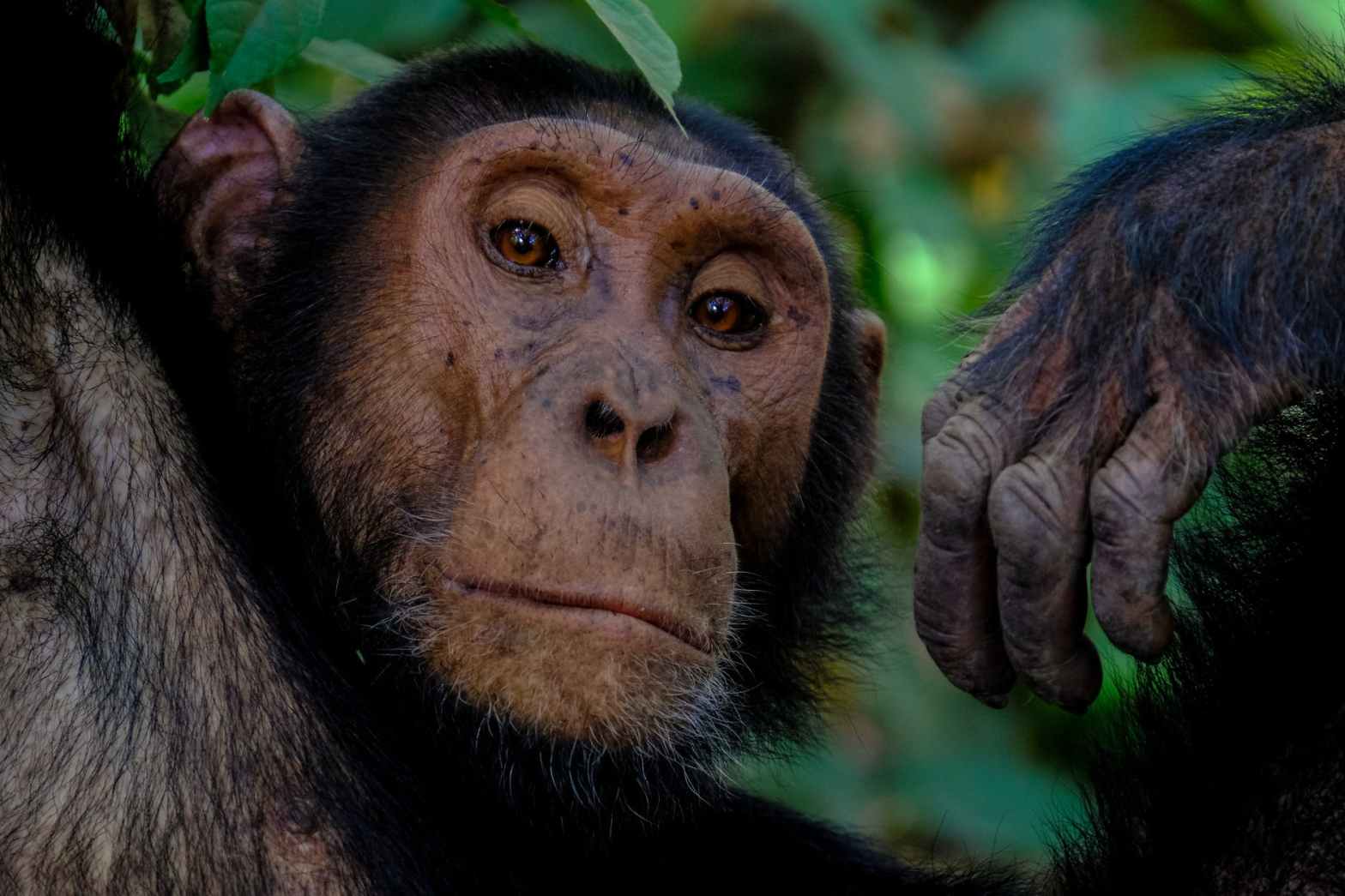
Source: Kalan, A. K., Kulik, L., Arandjelovic, M., Boesch, C., Haas, F., Dieguez, P., … & Michael Fay, J. (2020). Environmental variability supports chimpanzee behavioural diversity. http://researchonline. ljmu. ac. uk/id/eprint/14322. This study identified that environmental variability had a more important effect on chimpanzee behavioural diversity, than climate or habitat stability. It suggests that the needContinue reading “Spotlight: Environmental variability supports chimpanzee behavioural diversity”
Primates and climate change: A review of current knowledge
Source: Korstjens, A. H., & Hillyer, A. P. (2016). Primates and climate change: A review of current knowledge. An introduction to primate conservation, 175-192. Part Two: Vulnerability One of the major issues for conservation is trying to determine which species needs conserving more urgently. Vulnerability, in special regard to climate change, is complex and all theContinue reading “Primates and climate change: A review of current knowledge”
Primates and climate change: A review of current knowledge.
Source: Korstjens, A. H., & Hillyer, A. P. (2016). Primates and climate change: A review of current knowledge. An introduction to primate conservation, 175-192. Part One: Impacts As I wrote about in my last post about assessing vulnerability (Graham et al, 2016), we know that climate change will affect both temperature and precipitation. Whilst scientists areContinue reading “Primates and climate change: A review of current knowledge.”
Assessing primate exposure and vulnerability to climate change

Source: Graham, T. L., Matthews, H. D., & Turner, S. E. (2016). A global-scale evaluation of primate exposure and vulnerability to climate change. International Journal of Primatology, 37(2), 158-174. Climate change could have catastrophic impacts on animal populations, in fact, I’d go as far to say that it’s a slow-moving extinction event. In response to this, organisationsContinue reading “Assessing primate exposure and vulnerability to climate change”
 The Nature Folder